Archives: Poets

Racine
1638 - 1699
Jean Racine, 1638 – 1699, is one of France’s great flowering of dramatic poets in the 17th century
Phèdre, Act II, Scene V
Phaedra declares her love
Ah cruel! Tu m'as trop entendue!
Phèdre confesses her love

Rilke
1875 - 1926
The poetry of Rilke, a German-language poet, 1876 - 1926, was strongly introspective and included examination of how individuals can relate to transcendent issues such as death and the godhead.
Der Schwan (The Swan)
Diese Mühsal, durch noch Ungetanes
Rilke sees a metaphor for life and death in the swan on land and on water.

Schiller
1759 - 1805
Friedrich von Schiller, 1759 - 1805, the great contemporary of Goethe, wrote a first-rate translation of Books 2 and 4 of Virgil's Aeneid, covering the fall of Troy and Aeneas's love-affair with Dido.
Aeneid Book 2 in Schiller's German translation, stanzas 6 - 9
Laocoon’s warning
Mit Staunen weilt der überraschte Blick
Laocoon's warning
Schiller's version of the Aeneid, Book 2, stanzas 35 - 39
Friedrich Schiller recounts the death of Laocoon
Jetzt aber stellt sich den entsetzten Blicken
Friedrich Schiller recounts the death of Laocoon
Aeneid Book 2 in Schiller's German translation, stanzas 50 - 53
Aeneas is visited by Hector’s ghost
O sprich, und welcher Frevel durft’ es wagen,
In Schiller's German version, the fall of Troy has begun.
Aeneid Book 2 in Schiller's German translation, stanzas 95 - 97
Schiller’s death of Priam
So, wahrlich, hielt’s mit seinem Feinde nicht
Schiller's translation of the death of Priam
Aeneid Book 4 in Schiller's German translation, stanzas 24 - 31
A royal affair begins
Indeß war Eos leuchtendes Gespann
The royal affair begins
Aeneis 4, 67 - 72
Schiller tells of Dido’s anguish
Längst hatte sie, indem er sprach, den Rücken
Dido's complaint to Aeneas, by Schiller
Aeneid Book 4 in Schiller's German translation, stanzas 73 - 75
Aeneas prepares to leave Carthage
Wie feurig auch der Menschliche sich sehnt
The Trojans prepare to sail from Carthage.
Aeneid Book 4 in Schiller's German translation, stanzas 125 - 128
Schiller describes the last of Dido
Sie ruft's, und steht schon oben auf den Stufen
Schiller describes Dido's final end
Mourning and hope
Auch das Schöne muß sterben! Das Menschen und Götter bezwinget
Schiller's sad elegy for the transience of beauty

Shakespeare
1564 - 1616
Troilus and Cressida, Act III Scene 3
Shakespeare eavesdrops on Odysseus and Achilles
I do believe it, for they pass'd by me
Ulysses suggests that celebrities cannot rest on their laurels.

Tennyson
1809 - 1892
Alfred, Lord Tennyson, is a classic example of a relatively modern writer who was strongly influenced by his deep knowledge and love of Latin poetry.

Tibullus
?55 - ?19 BCE
Tibullus, c55 - c19 BC, one of the Augustan writers of love poetry in elegiac metre.
Tibullus 1.1, lines 53 - 78
Tibullus’s appeal to Delia
Te bellare decet terra, Messalla, marique
Tibullus's opening poem

Virgil
70BC - 19BC
Virgil was born in 70 BCE. Like Catullus, according to ancient commentators, he came from the North, near Mantua. His was a family of farmers, reasonably prosperous, to judge from his upbringing, but lower in the scale of wealth and social position than Catullus. He had a thorough education, reportedly studying Greek, Epicurean philosophy and rhetoric at Cremona, Milan and Naples.
Eclogue 4, lines 1-17
Virgil predicts a forthcoming birth and a new golden age
Ultima Cumaei venit iam carminis aetas
Virgil predicts a momentous birth
Aeneid book 1, lines 8-33
Juno’s anger
Musa, mihi causas memora, quo numine laeso
Virgil explains Juno's enmity towards the Trojans
Aeneid Book 1, lines 81 - 143
Storm at sea!
Haec ubi dicta, cavum conversa cuspide montem
A tremendous storm threatens death to the Trojans
Aeneid Book 1, lines 254 - 296
Jupiter’s prophecy
Olli subridens hominum sator atque deorum
The future greatness of Rome and Augustus
Aeneid Book 1, lines 338-370
Dido’s story
Punica regna vides, Tyrios et Agenoris urbem
Why Dido has come to Carthage
Aeneid Book 1, lines 387 - 409
Venus’s swans
'Quisquis es, haud, credo, invisus caelestibus auras
The oracle of the swans brings good news to Aeneas
Aeneid Book 1, lines 441-65
The Trojans reach Carthage
Lucus in urbe fuitmedia, laetissimus umbrae
Tears for the human predicament
Aeneid Book 1, lines 561-610
Aeneas and Dido meet
Tum breviter Dido, voltum demissa, profatur
Dido and Aeneas face to face
Aeneid Book 1, lines 695 - 722
Dido and Cupid
Iamque ibat dicto parens et dona Cupido
In disguise, Cupid stirs Dido to love
Aeneid Book 2, lines 1-13
Aeneas prepares to tell Dido his story
Conticuere omnes
Aeneas prepares to tell Dido his story
Aeneid Book 2, lines 40-49
Laocoon warns against the Trojan horse
Primus ibi ante omnes, magna comitante caterva
Laocoon warns against the Trojan horse
Aeneid book 2, lines 145-198
What is this wooden horse?
His lacrimis vitam damus et miserescimus ultro
Sinon's lies about the wooden horse
Aeneid Book 2, lines 199-227
Laocoon and the snakes
Hic aliud maius miseris multoque tremendum
Laocoon and the snakes
Aeneid Book 2, lines 234 - 245
The Trojan Horse enters the city
Dividimus muros et moenia pandimus urbis
The Trojans seal their fate
Aeneid Book 2, lines 250-267
The Trojan horse opens
Vertitur interea caelum et ruit oceano nox,
The fall of Troy begins
Aeneid Book 2, lines 286-313
Hector visits Aeneas in a dream
ille nihil, nec me vana quaerentem moratur
The sack of Troy begins
Aeneid Book 2, lines 314-370
Aeneas prepares for a hopeless fight
arma amens capio, nec sat rationis in armis
The battle for Troy is under way
Aeneid Book 2, lines 370-400
Into battle
Primus se Danaum, magna comitante caterva
Aebeas recounts his first clash with the Greeks
Aeneid Book 2, lines 401-452
Cassandra is taken
Heu nihil invitis fas quemquam fidere divis!
The tide of battle turns against the Trojans
Aeneid Book 2, lines 453-506
The battle for Priam’s palace
Limen erat caecaeque fores et pervius usus
The battle for King Priam's palace intensifies
Aeneid Book 2, lines 506-558
The death of Priam
Forsitan et Priami fuerint quae fata requiris
Priam meets his death
Aeneid Book 2, lines 567-594
Helen in the darkness
Iamque adeo super unus eram, cum limina Vestae
Aeneas catches sight of Helen of Troy in the falling city
Aeneid Book 2. lines 595 - 633
Venus speaks
Nate, quis indomitas tantus dolor excitat iras?
Aeneas's mother, Venus, advises her son
Aeneid Book 2, Lines 679 - 710
Aeneas rescues his Father Anchises
Talia vociferans gemitu tectum omne replebat
Aeneas rescues his Father Anchises
Aeneid Book 2 lines 707 - 746
Aeneas saves his son and father, but at a cost
Mihi parvus Iulus sit comes
Aeneas flees with his family as the foh of war descends
Aeneid Book 3, lines 374 - 395
How Aeneas will know the site of his city
Nate dea, nam te maioribus ire per altum
Aeneas learns how he will know the site of his city
Aeneid Book 3, lines 231 - 267
The Harpy’s prophecy
Instruimus mensas arisque reponibus ignem
Aeneas and his men encounter the Harpies
Aeneid Book 4, lines 65 - 89
Dido falls in love
heu vatum ignarae mentes!
Dido's fatal passion begins
Aeneid Book 4, lines 129 - 172
Dido and Aeneas: royal hunt and royal affair
Oceanum interea surgens Aurora reliquit
The splendid hunt, the lovers' cave
Aeneid Book 4, lines 173 - 195
Rumour
ille dies primus leti primusque malorum
Dido and Aeneas: the monster Rumour spreads the news
Aeneid Book 4, lines 238 - 258
Mercury’s journey to Carthage
Dixerat. ille patris magni parere parabat
Mercury's journey to Carthage
Aeneid Book 4, lines 362 - 393
Dido and Aeneas: Hell hath no fury …
Talia dicentem iamdudum aversa tuetur
Dido and Aeneas: the confrontation
Aeneid Book 4, lines 393 - 411
The Trojans prepare to set sail from Carthage
At pius Aeneas, quamquam lenire dolentem
The Trojans prepare to set sail from Carthage
Aeneid Book 5, lines 443-484
The boxers
Ostendit dextram insurgens Entellus, et alte
Boxers Entellus and Dares slug it out with the cestus
Aeneid Book 5, lines 680 - 699
Fire strikes Aeneas’s fleet
non idcirco flamma atque incendia viris indomitas posuere
Fire in Aeneas's fleet
Aeneid Book 5, lines 719 - 740
Anchises’s ghost invites Aeneas to visit the underworld
Talibus incensus dictis senioris amici
Anchises calls Aeneas to visit the underworld
Aeneid Book 5, lines 833 - 861 and 867-871
Palinurus the helmsman is lost
princeps ante omnis densum Palinurus agebat agmen
Palinurus the helmsman is lost
Aeneid Book 6, lines 77 - 101
The Sibyl’s Prophecy
At Phoebi nondum patiens immanis in antro
The Sibyl of Cumae prophesies
Aeneid Book 6, lines 124 - 155
Aeneas learns the way to the underworld
Talibus orabat dictis arasque tenebat
Aeneas learns of the way to the underworld
Aeneid Book 6, lines 236 - 268
The journey to Hades begins
His actis propere exsequitur praecepta Sibyllae
Aeneas and the Sybil take the road for the underworld
Aeneid Book 6, lines 295 - 330
Charon, the ferryman
Hinc via Tartarei quae fert Acherontis ad undas
Charon, the ferryman of the dead
Aeneid Book 6, lines 450 - 476
Aeneas finds Dido among the shades
Inter quas Phoenissa recens a vulnere Dido
Aeneas finds Dido among the shades
Aeneid Book6, lines 548 - 579
Aeneas comes to the Hell of Tartarus
Respicit Aeneas subito et sub rupe sinistra
Aeneas hears of the punishments of Hell in Tartarus
Aeneid Book 6, lines 608 - 627
Souls awaiting punishment in Tartarus, and the crimes that brought them there.
Hic, quibus invisi fratres, dum vita manebat
Crime and punishment in the underworld
Aeneid Book 6, lines 637 - 659
Aeneas reaches the Elysian Fields
His demum exactis, perfecto munere divae
Aeneas and the Cumaean Sibyl reach the Elysian Fields.
Aeneid Book 6, lines 788 - 805
Aeneas’s vision of Augustus
huc geminas nunc flecte acies, hanc aspice gentem
Aeneas's father sings the praises of the future Emperor Augustus.
Aeneid Book 6, lines 860 - 886
Aeneas sees Marcellus, Augustus’s tragic heir
Atque hic Aeneas (una namque ire videbat
Aeneas sees Augustus's tragic heir Marcellus
Aeneid Book 6, lines 886 - 901
The portals of sleep
Sic tota passim regione vagantur
Aeneas returns to the upper Earth through the gates of sleep.
Aeneid Book 7, lines 54- 78
Omens for Princess Lavinia
Multi illam magno e Latio totaque petebat
Strange omens for a Princess
Aeneid Book 7, lines 116- 147
Aeneas arrives in Italy
"heus, etiam menses consumimus!", inquit Iulus
The Harpy's prophecy is harmlessly fulfilled
Aeneid Book 7, Lines 166 - 193
In King Latinus’s hall
Cum praevectus equo longaevi regis ad auris
King Latinus awaits the Trojan envoys in his ancestral hall
Aeneid Book 7, Lines 249 - 273
King Latinus grants the Trojans’ request
Talibus Ilionei dictis defixa Latinus
King Latinus grants Aeneas's request to settle in Italy, and makes an offer.
Aeneid Book 7, lines 445 - 470
A Fury rouses Turnus to war
Talibus Allecto dictis exarsit in iras
The Fury Allecto rouses King Turnus to war
Aeneid Book 7, Lines 511 - 528
The Fury Allecto blows the alarm
At saeva e speculis tempus dea nacta nocendi
The fury Allecto calls the Italian coutryfolk to arms against the Trojans
Aeneid Book 7, Lines 607 - 622
Juno throws open the gates of war
Mos erat Hesperio in Latio, quem protinus urbes
Juno throws open the gates of war
The Aeneid, Book 8, lines 26 - 67
Help for Father Aeneas from Father Tiber
nox erat et terras animalia fessa per omnis
Tiberinus the river-God brings Aeneas helpful advice.
Aeneid Book 8, lines 347- 369
Aeneas tours the site of Rome
vix ea dicta, dehinc progressus monstrat et aram
A tour of the rustic country town that will become Rome
The Aeneid, Book 8, lines 416 - 463
Vulcan’s forge
insula Sicanium iuxta latus Aeoliamque
Vulcan's forge
Aeneid Book 8, lines 505 - 531
New allies for Aeneas
ipse oratores ad me regnique coronam
Evander suggests to Aeneas an alliance with the Etruscans
Aeneid Book 8, lines 678 - 684 and 714 - 731
The shield of Aeneas
hinc Augustus agens Italos in proelia Caesar
The decoration on Aeneas's new shield shows the future history of Rome, culminating in the triumphs of the Emperor Augustus
Aeneid Book 9, lines 54 - 66
Turnus the wolf
clamorem excipiunt socii fremituque sequuntur
Turnus descends on the camp like a wolf on the sheep-fold
Aeneid Book 9, lines 98 - 122
Aeneas’s ships are transformed
immo, ubi defunctae finem portusque tenebunt
Aeneas's ships achieve a glorious fate
Aeneid Book 9, lines 410 - 449
The death of Euryalus and Nisus
dixerat et toto conixus corpore ferrum
Comrades and lovers, Nisus and Euryalus find death together
Aeneid Book 9, lines 791 - 818
Turnus at bay
acrius hoc Teucri clamore incumbere magno
Turnus at bay
Aeneid Book 10, lines 215 - 248
Sea-nymphs
Iamque dies caelo concesserat almaque curru
Aeneas's ships, transformed into sea-nymphs, warn him that the Trojans are in danger.
Aeneid Book 10, lines 333 - 344
Aeneas joins the fray
'Suggere tela mihi, non ullum dextera frustra
Aeneas shows the Rutuli what they have to contend with
Aeneid Book 10, lines 474 - 502
The death of Pallas
At Pallas magnis emittit viribus hastam
Pallas dies at the hands of Turnus
Aeneid Book 10, lines 633 - 665
Turnus is lured away from battle
Iunonem interea compellat Iuppiter ultro
Fearing for his safety, Juno decoys Turnus away from the battlefield.
Aeneid Book 10. lines 885 - 908
King Mezentius meets his match
desine, nam venio moriturus et haec tibi porto
King Mezentius follows his son to death
Aeneid Book 11, lines 24 - 58
Mourning for Pallas
"Ite,"ait "egregias animas, quae sanguine nobis"
Mourning for Pallasand the Trojan dead
Aeneid Book 11, lines 182 - 202
Rites for the allies’ dead
Aurora interea miseris mortalibus almam
The Trojan dead are given burial
Aeneid Book 11, lines 539 - 566
The infant Camilla
Pulsus ob invidiam regno virisque superbas
The childhood of Camilla, the warrior-Queen
Aeneid Book 12, lines 161 - 194
Aeneas’s oath
Interea reges ingenti mole Latinus
Aeneas's oath for the future
Aeneid Book 12, lines 311 - 340
Aeneas is wounded
At pius Aeneas dextram tendebat inermem
A stray arrow catches Aeneas
Aeneid Book 12, lines 791 - 807 and 818 - 842
Juno is reconciled
Iunonem interea rex omnipotentis Olympi
Juno finally relinquishes her anger against Aeneas and the Trojans
Aeneid Book 12, lines 919 - 952
The death of Turnus
Cunctanti telum Aeneas fatale coruscat
Virgil's great epic concludes with Turnus's death
Georgics 1, lines 1 - 42
Virgil begins the Georgics
Quid faciat laetas segetes
Virgil sets the agricultural scene
Georgics Book 1, lines 204 - 230
The farmer’s starry calendar
Praeterea tam sunt Arcturi sidera nobis
Farming by the stars
Georgic 1, lines 351 - 392
Signs of bad weather
Atque haec ut certis possemus discere signis
Weather-wisdom from the ancient world
Georgics Book 1, lines 461 - 514
Catastrophe for Rome?
Denique quid vesper serus vehat
Only Augustus can save Rome
Georgics, Book 2, lines 458 - 474
The farmer’s happy lot
O fortunatos nimium, sua si bona norint
Virgil's rosy view of the farming life
Georgics Book 2, lines 490 - 502 and 513 - 532
More from Virgil’s farming Utopia
Felix qui potuit reum cognoscere causas
More from Virgil's idealised countryside
Georgics Book 3, lines 6 - 22 and 40 - 48
Virgil’s poetic temple to Caesar
Cui non dictus Hylas puer et Latonia Delos
Virgil looks forward to the Aeneid
Georgics Book 4, lines 149 - 190
The natural history of bees
nunc age, naturas apibus quas Iuppiter ipse
Bees and their city state
Georgics Book 4, lines 243 - 279
Love is the same for all
Omne adeo genus in terris hominumque ferarumque
Desire affects all living beings
Georgics Book 4, lines 531 - 558
Aristaeus’s bees
Nate, licet tristes animo deponere curas.
Aristaeus learns how to atone for his guilt and recover his bees

Westbrook
Twentieth century English poet writing in traditional forms.
Westbrook jokes about the novel
Emma Woodhouse was no retiring mouse
Tenbury Wells
Westbrook on love and family.
Waldlied (Forest Song)
Arm in Arm und Kron' an Krone steht der Eichenwald verschlungen,
A fine Swiss poet uses ancient myth.
Der Schwan (The Swan)
Diese Mühsal, durch noch Ungetanes
Rilke sees a metaphor for life and death in the swan on land and on water.
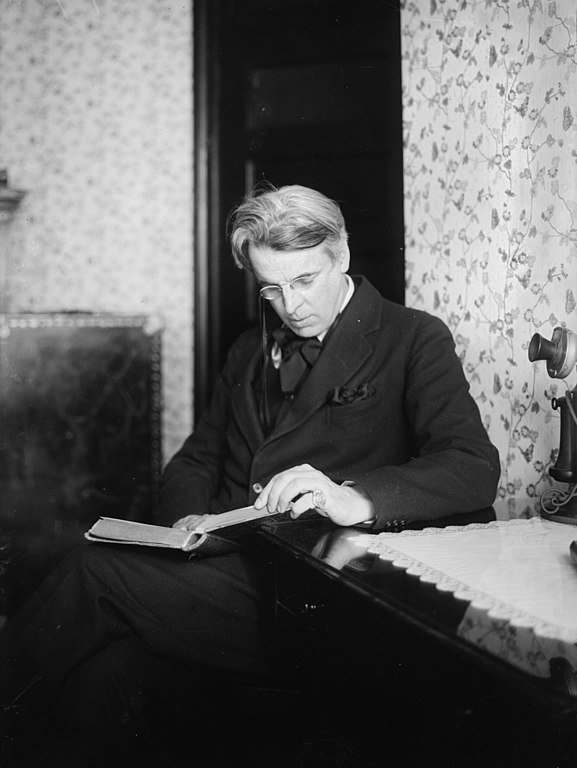
Yeats
1865 - 1939
Man of affairs, mystic and poetic genius.
The Second Coming
Turning and turning in the widening gyre
Yeats's bleak prophecy after the First World War
The Wild Swans at Coole
The trees are in their autumn beauty
A melancholy but beautiful reflection on change and the passage of time