Horace draws a lesson from the history of Rome’s desperate struggles against Carthage and the story of a traditional hero: Regulus. Hear and follow the poem here and see the illustrated blog post here.

You can’t believe a word that Barine says, but she’s so lovely, who cares? Hear Horace’s ode in Latin and follow in English here.
Set between references to classical myth, today’s new poem uses a captive swan to summon up the anguish of those who have lost something irreplaceable in Baudelaire’s poem mourning the destruction of the old city of Paris. Hear the French and follow in English here, and see the illustrated blog post here.
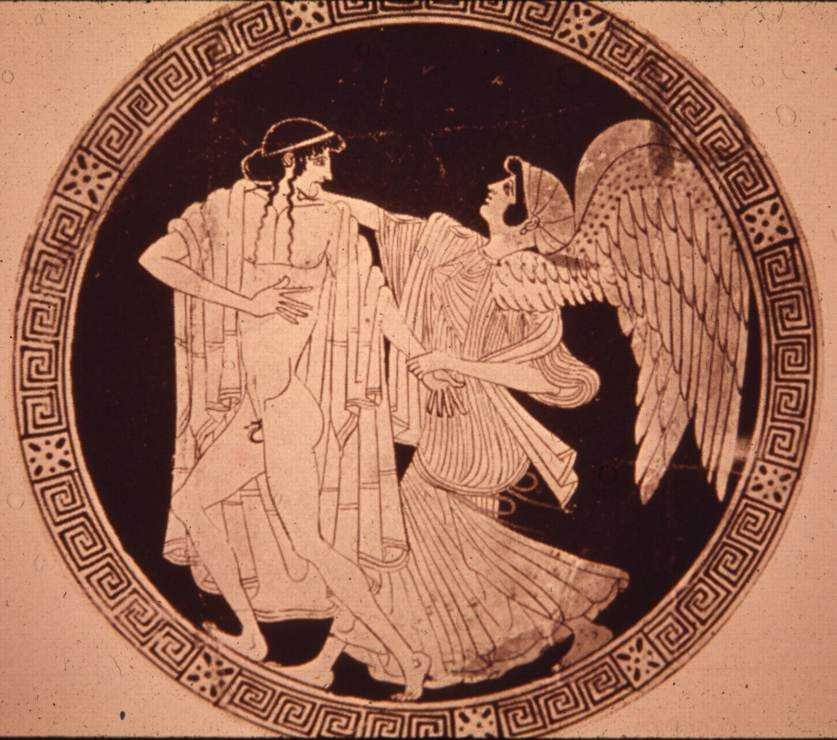
Horace is telling his rich friend Grosphus about the things that money cannot buy: peace of mind is the main one, but he also reminds Grosphus that exemption from ageing and death is not for sale either. The example he uses of age is the myth of Tithonus. He was a beautiful youth with whom Eos, winged goddess of the dawn, fell in love. He was a mortal, but Eos successfully begged the Gods to grant him immortality. They did, but, unfortunately, she forgot also to ask for eternal youth, meaning that Tithonus’s fate was to grow ever older and older, but never to die.
Hear Horace’s Latin and follow in English here.

This selection introduces us to beasts and monsters, starting gently with the wolf that Horace met one day. He was clearly frightened, but with the benefit of nature documentaries we Continue Reading
Today’s selection from the poetry of Horace and Virgil introduces us to beasts and monsters. Hear the Latin and follow the English here.