Cybele transforms the ships, built with timber from her sacred grove on Mount Ida, into new deities of the sea. See the illustrated blog post here, and hear Virgil’s Latin and follow in English here.

The plan for a duel between Aeneas and Turnus has been foiled yet again – worse, Aeneas has been wounded by a stray arrow, and, as he leaves the field, Turnus goes on yet another rampage, breaking the oaths that King Latinus has sworn. Hear Virgil’s vivid Latin and follow in English here.
Today’s new poem is by Alfred, Lord Tennyson. It is a tribute to Virgil on the 1,900th anniversary of his death and is an example of how deeply great European writers have been steeped in and influenced by Latin poetry. One of the aims of Pantheon Poets is to give you a better experience of Latin poems recited in the original than translations can provide, even if you don’t know Latin yourself.
Juno’s efforts to sow discord between Aeneas and the Italians are now in full swing, with the able help of the terrifying Fury, Allecto. Visiting King Turnus in disguise, she reveals her true self and sends him wild with anger.
Hear the Latin and follow in English here.
See the illustrated blog post here.

We last saw Goethe revelling in the Roman decor of his study. in this poem to the Moon, he is in a sadder and more tender mood, reflecting sadly on the beauty of nature and the changeability of happiness and affection.
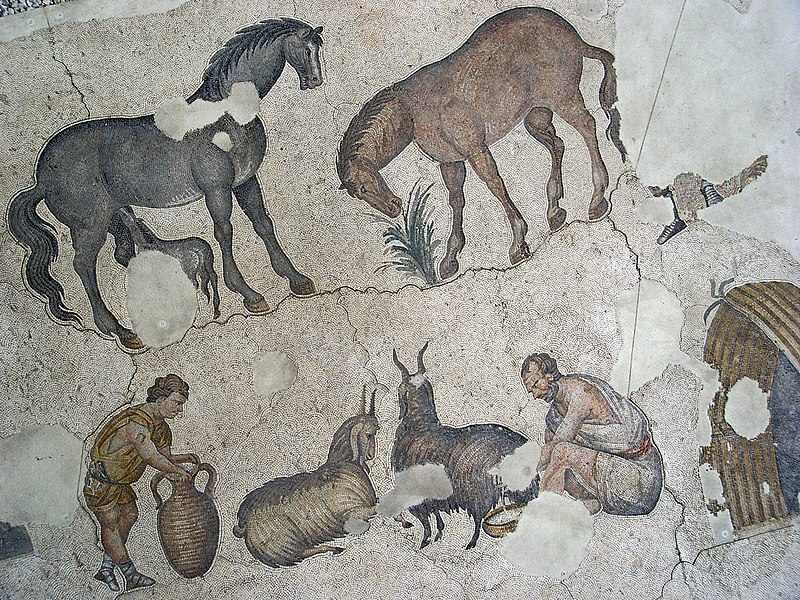
In a mysterious little poem, Horace warns his friend, Aelius, that there will be rain on the following day so he and his farm workers should get in some dry firewood and plan for a day off. The forecaster is a crow, which to the ancients was proverbial both as being long-lived, and as a predictor of rain.
Hear Horace’s Latin and follow in English here.
Illustration: Dosseman CC by-SA 4.