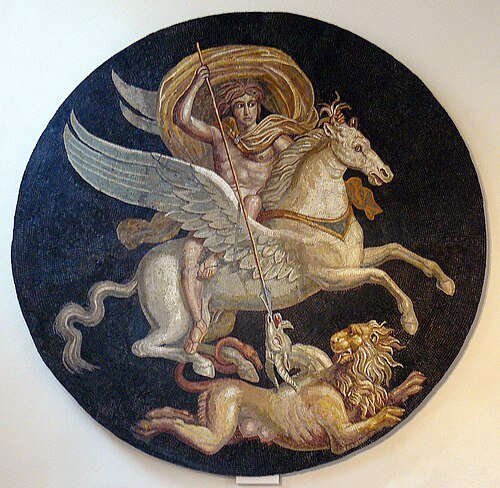
Today’s new poets are the Irishman W B Yeats and the German language Romanian poet Paul Celan. The poem by Yeats is his prophetic work of 1919, The Second Coming, with a link to a YouTube reading by the late Ted Hughes. From Celan’s poet page there is a link to his own recording of his great Holocaust poem, Todesfüge, with an English translation.

Odi profanum volgus et arceo, omne capax movet urna nomen, post equitem sedet atra cura – “I despise the profane crowd, I banish them”; “(Destiny’s) capacious urn shakes every name together”; “behind the rider sits black Care”. These, among Horace’s most famous phrases, all occur in the first poem in his third book of Odes. It is “carpe diem” with a difference: the more you have, the more there is for you to worry about, and the answer is to be content with modest comforts and avoid the temptations of greed and excess. It is no coincidence that, at the time, the Emperor Augustus was championing a return to simpler, ancestral, Roman values. Hear Horace’s Latin and follow in English here.
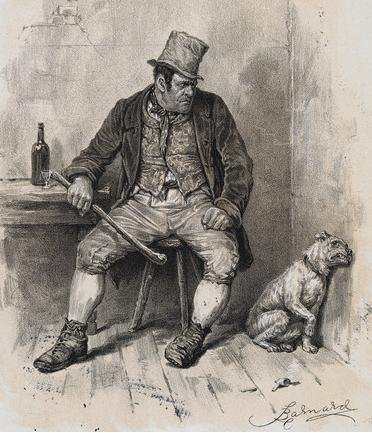
Suffering from insomnia, the poet John Westbrook recalls the sleeplessness of Achilles. In the illustration, an Attic vase of circa 450 BCE, Achilles tends the wounded Patroclus. See Westbrook’s poem here.

The latest in Pantheon Poets’ sequence of ancient and modern poems about swans is W B Yeats’s “The Wild Swans at Coole”. Hear it read by Harry McFarland here and see the illustrated blog post here.

Horace offers his friend and patron Maecenas friendship, simple wine and a memory of a cherished occasion. Hear Horace’s Latin and follow in English here; see the illustrated blog post here.

Privacy Overview

This website uses cookies so that we can provide you with the best user experience possible. Cookie information is stored in your browser and performs functions such as recognising you when you return to our website and helping our team to understand which sections of the website you find most interesting and useful.