Aeneas has anchored at the mouth of the Tiber and a worrying prophecy is harmlessly fulfilled. Listen to the extract and follow in English here; see the illustrated blog post here.
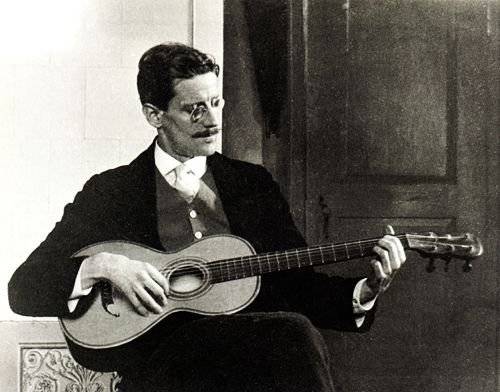
Today’s new post recalls elements from Aeneas’s underworld journey in the Aeneid while expressing Joyce’s feelings at the death of his mother. See it and read more about it here.
This non-Latin poem is a skit on the nursery rhyme, “Ride a cock-horse to Banbury Cross” by James Joyce who wrote it to promote a chapter that he was publishing of Finnegans Wake – Anna Livia Plurabelle is Dublin’s river Liffey personified. Joyce belongs on Pantheon Poets for his debt to Homer, and if you do not know this little piece, I think you will like it.

A literary exercise or a cry of pain? Either way, Horace’s ode to jealousy packs a powerful punch into a short poem. In the illustration by John Singer Sargent, the furies are tormenting Orestes.
Hear Horace’s Latin and follow in English here.
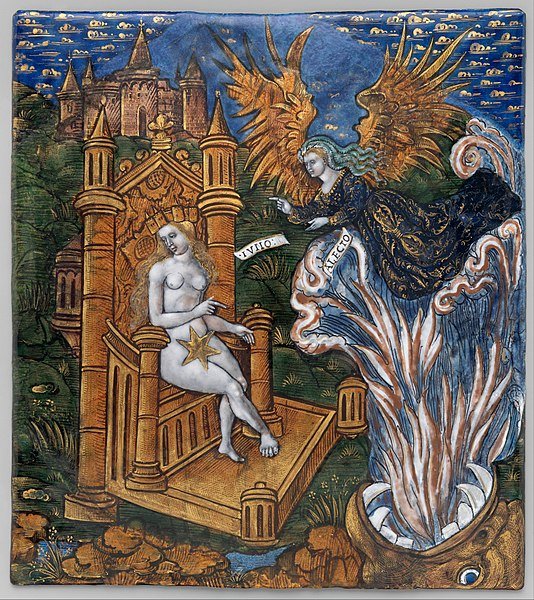
With the help of the Fury Allecto, Juno, Aeneas’s enemy, has sabotaged King Latinus’s wish to welcome him and create an alliance by marriage to his daughter. Overcome, the old man withdraws from the fray and Juno herself intervenes to open the gates of war.
Hear the Latin and follow in English here.

In a moment of the highest importance for the future of Rome, and the plot of the Aeneid, Juno finally relinquishes her enmity towards the Trojans which has seen the city fall and Aeneas harried over land and sea. Her consent is made easier by Jupiter’s agreement that the identity of the people who will become the Romans will remain Italian, and not be subsumed into the speech and customs of the Trojans.
Hear Virgil’s Latin and follow in English here.