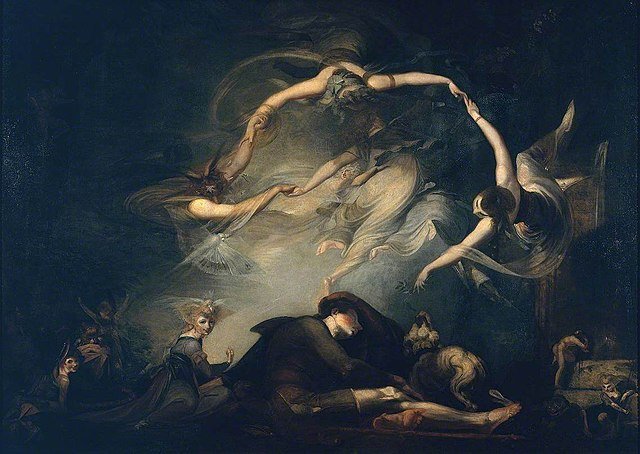
Mercury gets into formal dress to bring a stern message to Aeneas, visiting his Grandfather, Atlas, on the way. No wonder Aeneas will be startled. Virgil closely echoes Homer, but adds touches from his own imagination which bring Mercury, the shepherd of the souls of the dead, to disturbingly vivid life. Hear the story here.
Did you miss Catullus’s great poem about kisses? Hear it in Latin with a translation here.
Dido has discovered that Aeneas is preparing to leave her, and Carthage, without telling her. Their next interview does not go well. Hear Dido’s reaction here.
Another war against the Parthians looks in the offing and the outcome of the last one does not reflect well on Roman military pride and moral fibre. An inspiring example is needed. Step forward Regulus, who long ago persuaded the Senate to reject a deal with the Carthaginians which would have saved his own life. Hear the Regulus Ode here.
10 October is Fontinalia, the Roman festival of springs and fountains. See Horace’s celebration poem, O Fons Bandusiae, here. Photo by Halcyoon.
A pining lover is locked out. Who’s to blame? The door, of course! This one has seen much better days (and much better morals)! See the poem here.
Aeneas and Dido have begun their affair. The monstrous Goddess, Rumour, sets to work to spread the news, some fake, some otherwise. Hear the poem here.
A royal hunt follows a gorgeous levee: a great storm rocks all of nature which is matched by the storm of passion between Dido and Aeneas, sheltering in their cave. Hear one of Virgil’s greatest set-pieces in Latin and follow it in English here.
Dido loves Aeneas, the Trojan stranger. Virgil tells the story here.