In a poem swearing friendship to his patron Maecenas, Horace declares that not even the fabled Chimera could tear them apart.
Hear this moving poem and follow in English here.
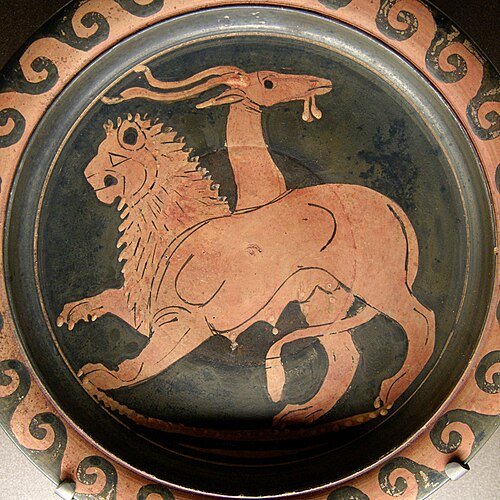
In a poem swearing friendship to his patron Maecenas, Horace declares that not even the fabled Chimera could tear them apart.
Hear this moving poem and follow in English here.
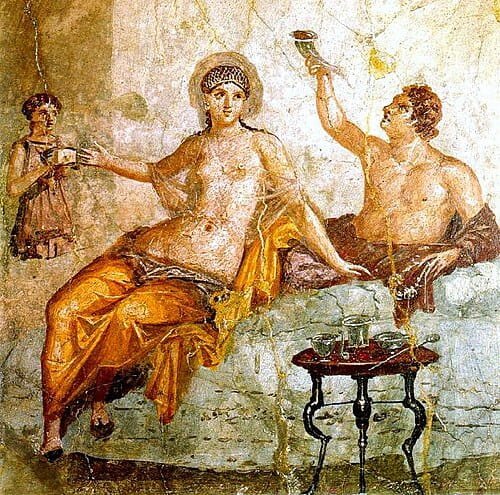
Is the Roman to whom this poem is addressed, blameless for the crimes of the City but bound to atone for them, Augustus? Mentioned by name or not, this poem, with its dual emphasis on piety and rebuilding temples contrasted with the loose living of the current generation would immediately have made an audience think of him, since civic building and moral reform were high among his public priorities in the years following the defeat of Cleopatra and Mark Antony at the battle of Actium. Hear Horace’s Latin and follow in English here.
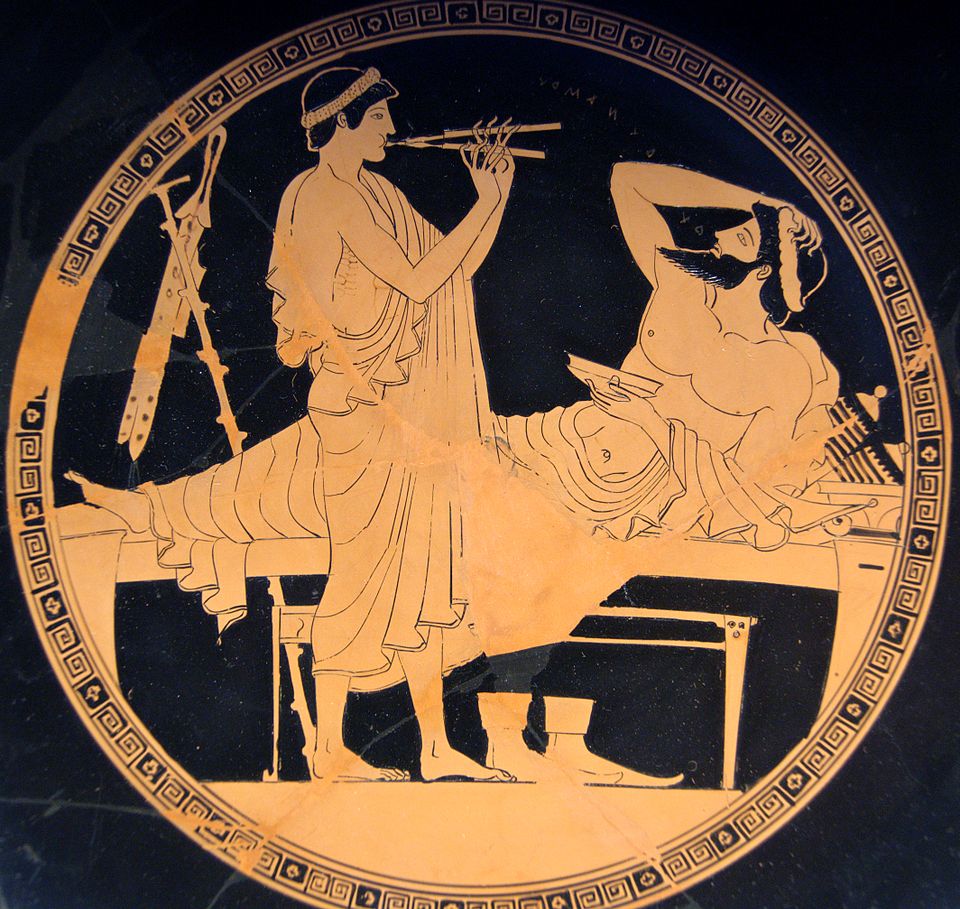
In a compliment to the eminent general and politician L Munatius Plancus, Horace celebrates Tibur, which seems to have been his home, likens him flatteringly to the legendary hero Teucer, and reflects on the consolation available from wine in both mythical and contemporary times.
Hear Horace’s Latin and follow in English here.
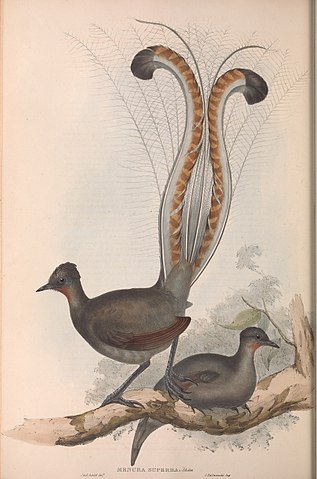
In the “Poscimur” ode, Horace addresses his lyre and claims that, together, they have made a new type of Roman poetry by transmuting Greek originals. The lyre is probably not a real one, any more than this lyre bird is: it stands for Horace’s poetic skill and genius. Hear the poem and follow in English translation here.

In a famous but occasionally puzzling poem, Horace gives the Emperor Augustus’s view of what a young Roman should aspire to become – a soldier like the epic heroes of old, inured to hardship, a terror to Rome’s enemies and willing to die if necessary for his country. In the illustration, by Léonce LeGendre, Hector dies at the hands of the hero Achilles.
Hear Horace’s Latin and follow in English here.