A literary exercise or a cry of pain? Either way, Horace’s ode to jealousy packs a powerful punch into a short poem. In the illustration by John Singer Sargent, the furies are tormenting Orestes.
Hear Horace’s Latin and follow in English here.

A literary exercise or a cry of pain? Either way, Horace’s ode to jealousy packs a powerful punch into a short poem. In the illustration by John Singer Sargent, the furies are tormenting Orestes.
Hear Horace’s Latin and follow in English here.
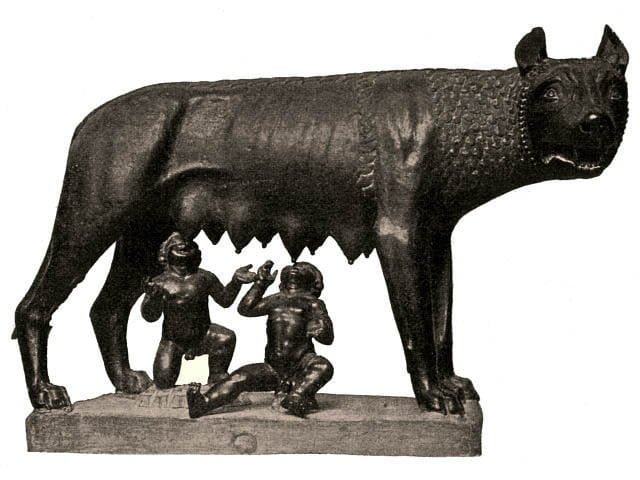
We are in heaven. It is some time since the fall of Troy – Romulus, descendant of Trojan refugees from the fall of the city, has founded Rome and been rescued from mortality by his father, Mars, the God of War. In one of a series of poems at the beginning of Horace’s third book of Odes on Rome as it is, and (according to the moral and political programme of the new Emperor, Augustus) as it should be, Horace makes the point that Rome enjoys the divine seal of approval – her founder sits in Olympus as one of the Gods (and is reserving a place there for the Emperor Augustus). In the illustration, an ancient Roman bronze, the she-wolf suckles Romulus and his brother Remus.
Hear Horace’s Latin and follow in English here.

This is a landscape selection from the Latin poets (see the selections index here). The ancients would have assumed that the world was boundless and nature was inexhaustible, in contrast Continue Reading
Today we publish a new selection of poems by Latin authors to hear in Latin and follow in English. See the selection here.

By Horace’s day, the paraklausithuron – a would-be lover’s complaint outside a locked door – was an established poetical theme. We should probably take this bravura variation on the theme, with all its clues and puzzles about the scenario that Horace hints at without spelling out, as literature rather than autobiography. “Lyce”, a nickname that Horace uses in two other poems, carries a flavour of loose living: there is no particular narrative continuity between the three pieces to suggest that we are dealing with the same Lyce in all.
Hear Horace’s Latin and follow in English here.

In this second selection of poems on a theme, love is not going so smoothly. Dido is being consumed by a passion for Aeneas which as yet is unrequited: Dido Continue Reading

This is the first of a new series of Pantheon Poets Latin medleys – a selection of Latin poems which share a common theme. The first is love, and specifically Continue Reading