
All of the Horace Odes on Pantheon Poets – currently 20 of them – are now available as a single selection arranged consecutively in Book order. Access it here and use the links to hear the poetry in the original Latin and follow in English translation.
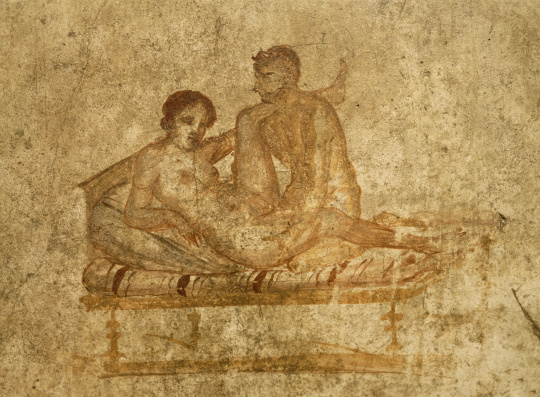
Recent additions to the Latin poetry pages include the first of what will be quite a few extracts from the works of Ovid, the last of the Big Four – the others being Horace, Virgil and Catullus – to feature. If you want to know more about them, there is information and the Augustan age in which the last three wrote on the “About the Poets” page. The piece – “Ovid’s broad-minded advice to his mistress” – is from his Amores and exemplifies his enthusiasm for good, old-fashioned sex. Continue reading “Ovid and Horace’s different takes on love”
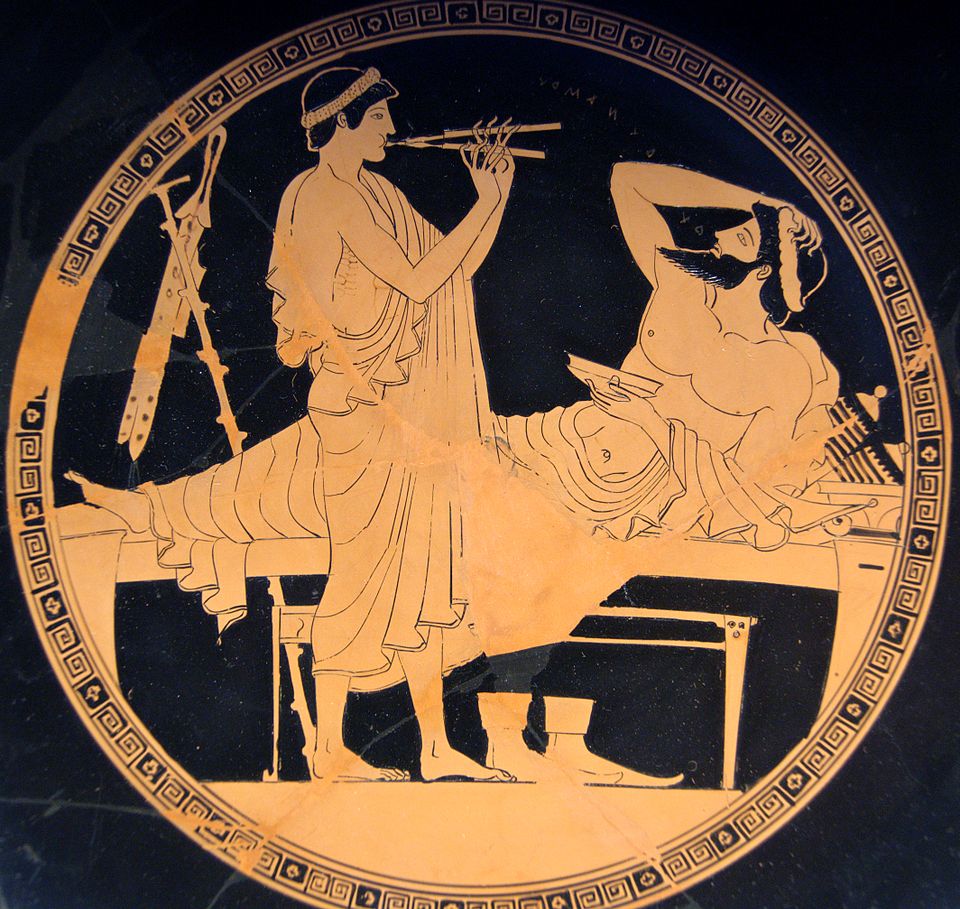
In a compliment to the eminent general and politician L Munatius Plancus, Horace celebrates Tibur, which seems to have been his home, likens him flatteringly to the legendary hero Teucer, and reflects on the consolation available from wine in both mythical and contemporary times.
Hear Horace’s Latin and follow in English here.
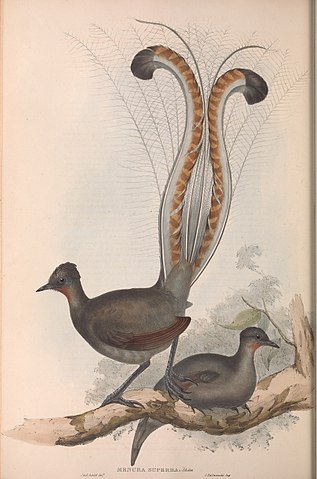
In the “Poscimur” ode, Horace addresses his lyre and claims that, together, they have made a new type of Roman poetry by transmuting Greek originals. The lyre is probably not a real one, any more than this lyre bird is: it stands for Horace’s poetic skill and genius. Hear the poem and follow in English translation here.

In a famous but occasionally puzzling poem, Horace gives the Emperor Augustus’s view of what a young Roman should aspire to become – a soldier like the epic heroes of old, inured to hardship, a terror to Rome’s enemies and willing to die if necessary for his country. In the illustration, by Léonce LeGendre, Hector dies at the hands of the hero Achilles.
Hear Horace’s Latin and follow in English here.

Pyrrhus is captivated by his new love, Nearchus, but has he underestimated the lion-lady that he has stolen him from? Hear Horace’s Latin and follow in English here. The “Nearchus” in the illustration is the Emperor Hadrian’s favourite, Antinous.