As Troy falls about her, and in fear for her life from both Greeks and Trojans, Helen takes refuge at the altars, where she is seen by Aeneas, newly come from the lost battle for King Priam’s palace.
Hear Virgil’s Latin and follow in English here.

As Troy falls about her, and in fear for her life from both Greeks and Trojans, Helen takes refuge at the altars, where she is seen by Aeneas, newly come from the lost battle for King Priam’s palace.
Hear Virgil’s Latin and follow in English here.

As the body of Prince Pallas is returned to his father, Aeneas performs the due rites for his soldiers who have fallen in the battle against Turnus and the Latins. Hear the story in Virgil’s original Latin and follow in John Dryden’s classic English translation here.

Virgil is bound for Athens. His friend, Horace, wishes him a voyage watched over by the Gods, and a safe return. In a bravura performance on a conventional theme, he goes on to marvel at the presumption of those who step over the divinely-ordained boundaries of the natural world by hazarding an ocean voyage.
Hear Horace’s Latin and follow in English here.

King Evander of the Arcadians offers Aeneas 400 cavalrymen and the support of his valiant son, Pallas, and suggests in addition where even stronger reinforcements may be available.
The illustration is Alexander the Great at the Battle of Issus, from a mosaic in the House of the Faun at Pompeii.
Hear the Latin and follow in John Dryden’s English translation here.
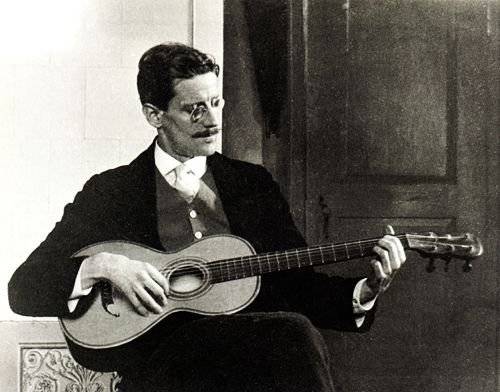
Today’s new post recalls elements from Aeneas’s underworld journey in the Aeneid while expressing Joyce’s feelings at the death of his mother. See it and read more about it here.

In a moment of the highest importance for the future of Rome, and the plot of the Aeneid, Juno finally relinquishes her enmity towards the Trojans which has seen the city fall and Aeneas harried over land and sea. Her consent is made easier by Jupiter’s agreement that the identity of the people who will become the Romans will remain Italian, and not be subsumed into the speech and customs of the Trojans.
Hear Virgil’s Latin and follow in English here.