Pompeius’s civic rights have been restored and Horace is celebrating with him. See the blog post with an ancient party scene here and hear the poem with a translation here.
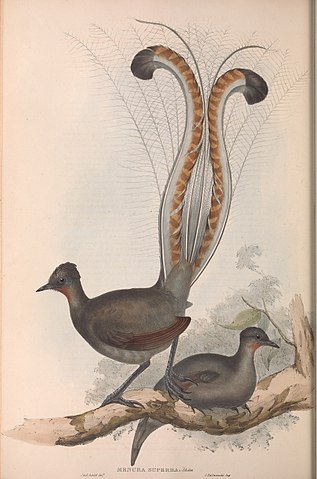
In the “Poscimur” ode, Horace addresses his lyre and claims that, together, they have made a new type of Roman poetry by transmuting Greek originals. The lyre is probably not a real one, any more than this lyre bird is: it stands for Horace’s poetic skill and genius. Hear the poem and follow in English translation here.

Horace uses the metaphor of a ship in stormy seas to express his hope that Rome will win through to safety in a time of danger. Hear the Ode performed in the original Latin and follow in a new English translation here.
The illustration, by Rembrandt, is of Christ in the storm on the Sea of Galilee. If you happen to see this painting anywhere, please tell the Isabella Gardner Stewart Museum in Boston – it was stolen from them in 1990 and has not been returned.

In today’s Ode, Horace exclaims at the futility and presumption of the rich, who go in for grand building works, even encroaching on the sea in places like the luxurious seaside resort of Baiae. He prefers the simple life on his Sabine farm.
Horace uses Hipponactean metre, an unusual one found only here among his works. Hear his Latin performed in the original and follow in English here.