Horace tells his friend Lamia that a storm is coming tomorrow, so he should enjoy a day off. Hear Horace’s Latin and follow in English here; see the illustrated blog post here.
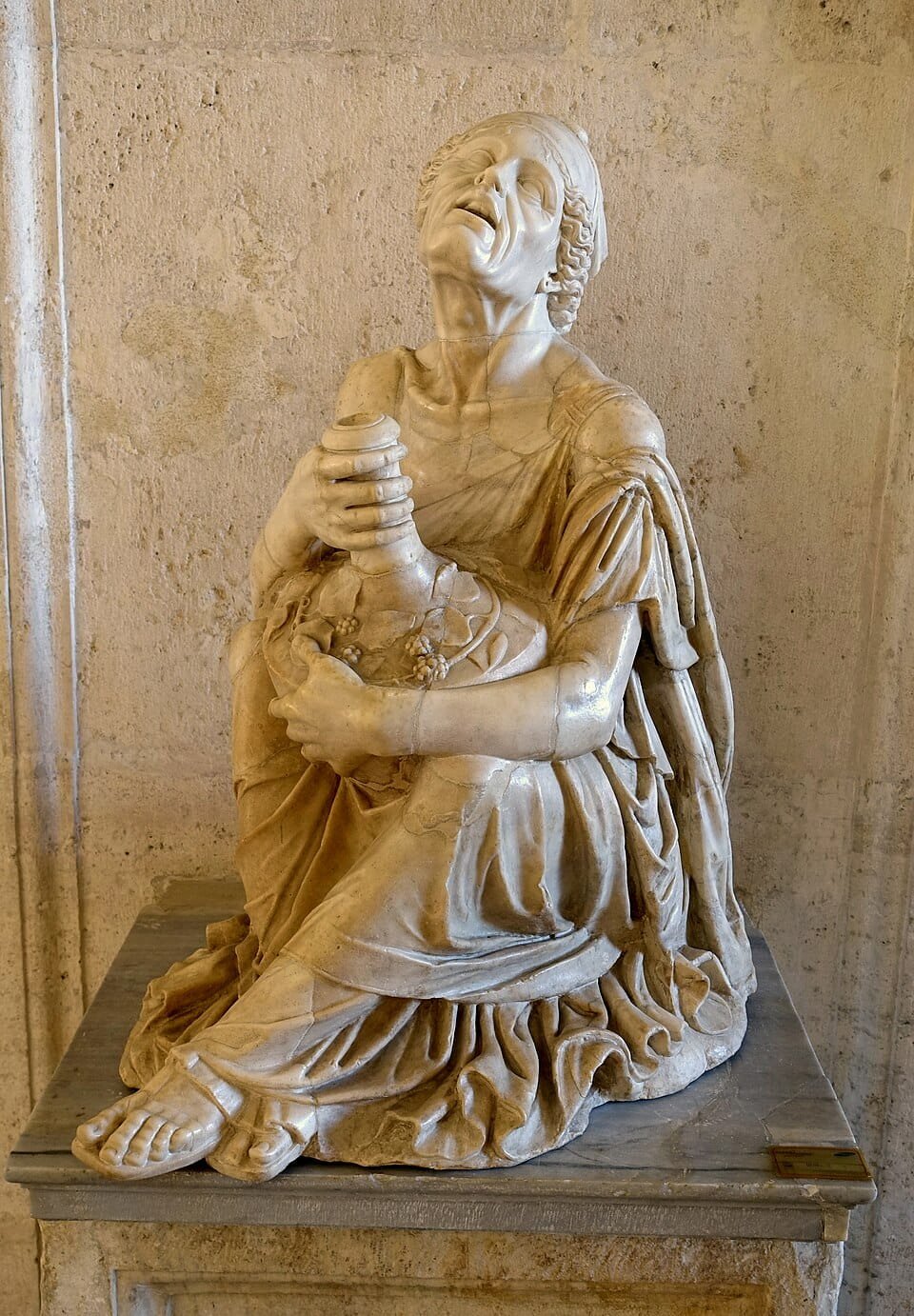
Nearing the end of Horace’s fourth and final book of Odes, do we have in this poem a hint of autobiography, as he makes a short and poignant reference to a beloved who died young? Of the cruelty shown by Horace to another ex as she loses her attractions and her dignity, the less said the better. See Horace’s Latin and follow in English here.
The illustration, from the Capitoline Museum, of a drunken old woman is a Roman copy of a third-century BCE Hellenistic original.
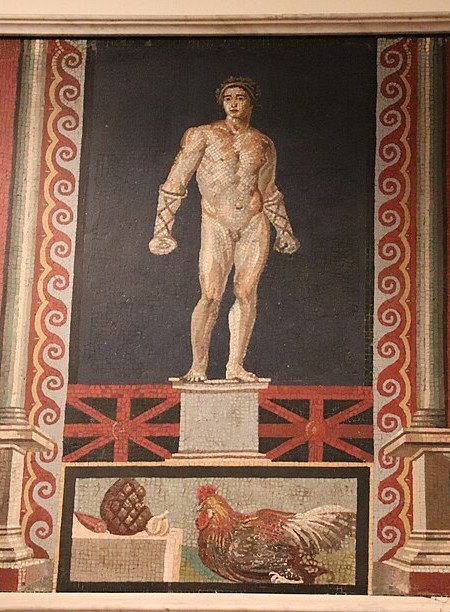
Among the praise for Augustus and his family that leads many to find Horace’s fourth book of odes less engaging than the first three, there are a number of poems in which he makes more personal points. In this ode he stakes the claim of the poet, though he may not be a champion boxer or an eminent soldier or statesman, to an important place of his own in the Roman community. Written after Horace was singled out for official recognition during the once-in-a-lifetime Secular Games of 17 BCE, it proudly asserts his standing, not only as a servant of the Muses, but as a public figure in his own right. The boxer shown is a fresco from Pompeii. Hear Horace’s Latin and follow in English here.

Horace uses the metaphor of a ship in stormy seas to express his hope that Rome will win through to safety in a time of danger. Hear the Ode performed in the original Latin and follow in a new English translation here.
The illustration, by Rembrandt, is of Christ in the storm on the Sea of Galilee. If you happen to see this painting anywhere, please tell the Isabella Gardner Stewart Museum in Boston – it was stolen from them in 1990 and has not been returned.

Horace’s beautiful poem advises Dellius to make the best of life while it lasts.
Hear Horace’s Latin and follow in English here.