With an echo of Ovid, Charles Baudelaire, the great French writer, sees himself as a poetic Icarus, who has flown too close to the sun and been scorched by the experience. Hear “Les Plaintes d’un Icare” in French and follow in English here; see the illustrated blog post here.
Set between references to classical myth, today’s new poem uses a captive swan to summon up the anguish of those who have lost something irreplaceable in Baudelaire’s poem mourning the destruction of the old city of Paris. Hear the French and follow in English here, and see the illustrated blog post here.

Not everyone welcomed the Paris of the boulevards that we so admire today when in the nineteenth century swathes of a much-loved, ancient city were swept away to make way for it. Today’s poem uses the classical motif of Andromache, widow of Troy’s greatest warrior, Hector, and the image of a trapped and desperate swan to express Baudelaire’s vision of Paris changed for ever and the anguish of all those who long for something irretrievably lost. Hear the poem in the original French and follow in English here.
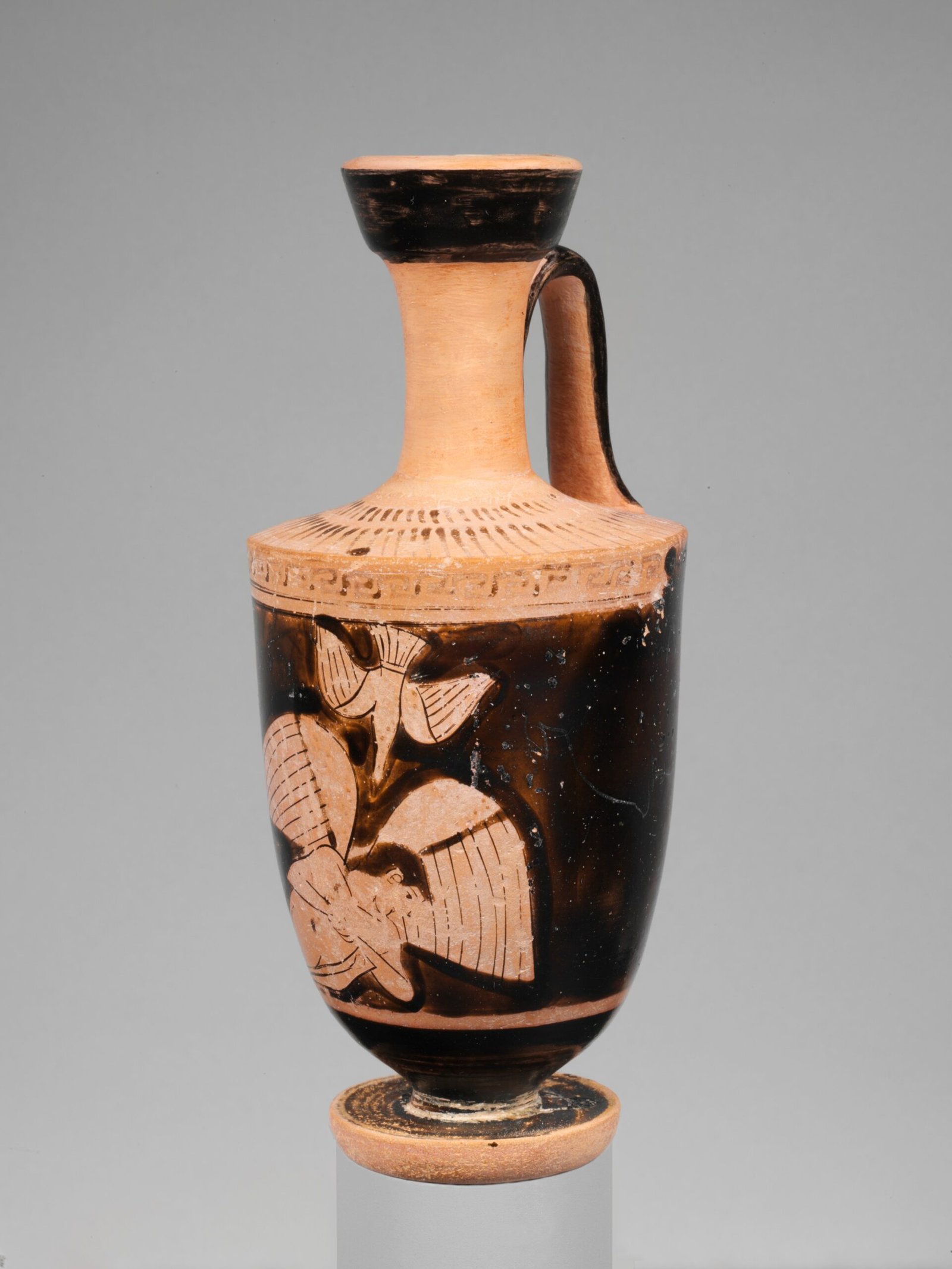
Charles Baudelaire, a great poet of the modern era, turns like many others to the literature of the ancient world for an image which expresses his feelings about his artistic predicament. Hear his poem, “Les Plaintes d’un Icare”, read by Béatrice Damamme-Gilbert and follow in English here.
Although the myth of Icarus is now very familiar to us, it may have received less attention in the ancient world before Ovid celebrated it in his Metamorphoses. The earliest surviving literary references do not date from much before his time, and the difficulty of finding representations from earlier Greek vase painting may be another indication. You can hear Ovid’s treatment in the original and follow in English here.