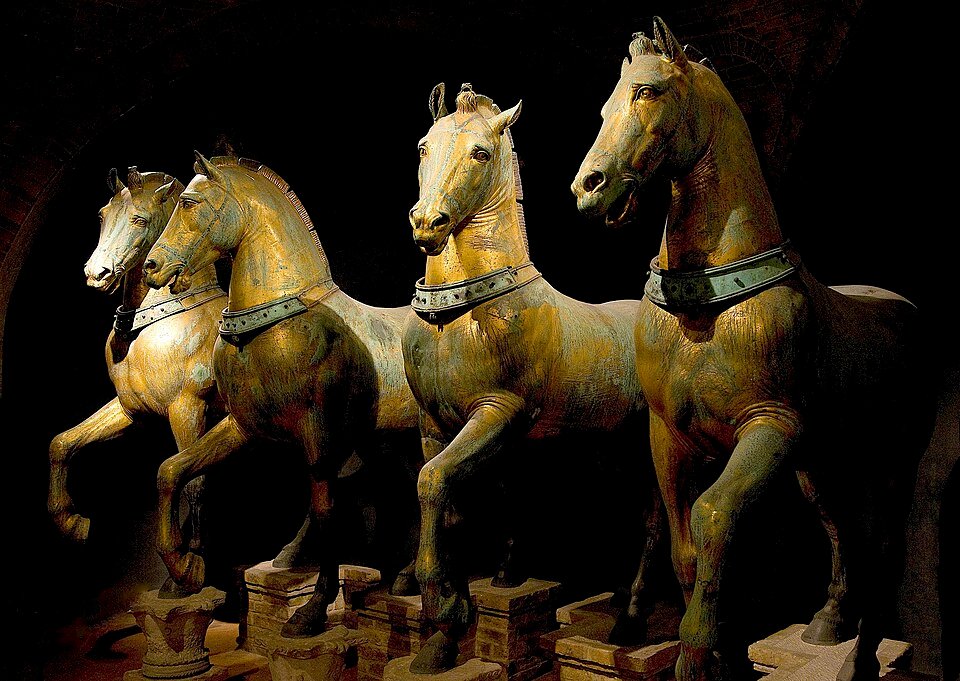
In the classical world, being Greek did not mean living in Greece: Greek cities had been founded throughout Asia Minor, as far west as Italy and what is now France, and as far south as Cyrene in North Africa. When Cyrene’s King Arkesilas was the winning owner in the chariot race at Delphi in 462 BCE, the famous Theban poet, Pindar, wrote his longest and most elaborate poem to commemorate the victory. This was much more than a sporting event: the games were a sacred occasion, and, to Pindar and his contemporaries, success was less a matter of luck and hard training than of divine favour and the aristocratic qualities which could come only from a long and noble pedigree. Pindar usually included a myth in his victory odes, and in this one it is the story of Jason and the golden fleece, the earliest written account of the story that survives. His victory odes are choral pieces, which would have been sung at a victory celebration to musical accompaniment. They, and a much broader output of which little now survives, were a significant influence on later Roman poets including Horace and Catullus, who would presumably have encountered them in written form or through recitation. Hear an extract in Pindar’s Greek with an English translation here. The illustration shows the finest team that never ran: the four ancient bronze horses now at St Mark’s in Venice.
Pindar’s song of praise